

"Doctor, I've been trying for months remove blemishes from the face And I no longer know what cream to try. I've spent over 300 euros." This is a conversation I have in consultation almost every week. The patient opens her toiletry bag and takes out three, four, sometimes six different products, all promising the same thing: to eliminate dark spots in 3 days, 7 days, 14 days. None have worked.
The problem isn't that there isn't a solution, but that Not all stains are the same.. A solar lentigo, hormonal melasma, post-inflammatory hyperpigmentation, or (in the worst-case scenario) a facial lentigo maligna are conditions with completely different mechanisms. And each one requires a different treatment. Therefore, before discussing "how to remove dark spots on the face," you need to understand what you're seeing in the mirror.
In this article, I explain, from my experience as a dermatologist specializing in pigmentation in the Hospital Clínic de Barcelona, what types of stains exist, how to prevent them, what really works (and what's marketing), and what you can really expect from each treatment.
Why do facial blemishes occur?
80%
Visible facial aging comes from the sun, not the passage of time
It's an idea that's hard to accept in consultations. Patients who have always taken care of themselves, who say they've never been in the sun "directly," look in the mirror at 35 and see spots that weren't there yesterday.
Ultraviolet radiation from the sun, or tanning beds, It is the main cause of blemishes on the face. Hyperpigmentation usually appears starting at age 30, precisely when the skin begins to show the consequences of accumulated sun exposure during adolescence. Sun damage doesn't show up the day you sunbathe; it shows up 15 or 20 years later. That's why dark spots always look worse at the end of summer, and that's why sunscreen from March to October is non-negotiable.
There is a second factor that weighs heavily on women: the Hormones. Estrogen and progesterone stimulate melanin production. This is why pregnancy, hormonal contraceptives, or certain replacement therapies can trigger diffuse brown spots, typically on the cheeks and forehead, which do not always disappear after childbirth.
Finally, there is a genetic component: people with fair skin or hair Those who have suffered sunburns in childhood start with an increased risk throughout their lives. That history doesn't disappear. What can be done is to protect yourself better from today on.
- Hyperpigmentation
- Localized increase in skin pigment (melanin). It is the general medical term that encompasses all types of brown facial spots.
- Melanogenesis
- Biological process by which skin melanocytes produce melanin. It is activated by UV radiation, high-energy visible light, and certain hormones.
- Skin types
- Skin classification according to its response to the sun (I to VI). Phototypes III-VI (darker skin) have a higher risk of hyperpigmentation from visible light.
- Phytophotodermatitis
- Skin reaction caused by contact with certain plants (lemon, celery, parsley) plus sun exposure. Leaves persistent brown spots that are very difficult to treat.
- Hydroquinone
- Topical depigmenting agent that inhibits tyrosinase, a key enzyme in melanin production. It is the gold standard for melasma and hyperpigmentations.
Quick Glossary
Brown spots on the face, or hyperpigmentation, occur when some areas of the skin produce more melanin than usual. Melanin gives the eyes, skin and hair their color.
What types of stains are there?
A few weeks ago, a 42-year-old female lawyer came to my office, convinced she had melasma. She had been months using a cream with hydroquinone without supervision. The spot she was worried about wasn't melasma; it was an incipient lentigo maligna. If she hadn't consulted, in five years it would have been a melanoma.
This story summarizes why the Pre-treatment diagnosis is not a detail; it's everything.. Most dark spots are benign, but some are not. And not all benign ones respond the same way. A treatment for solar lentigo can worsen melasma. A cream for melasma does nothing for a pigmented basal cell carcinoma. As a dermatologist specializing in melanoma skin cancer, I'll tell you in advance that the actual list of causes has hundreds of entries, but these are the ones I see almost every day in consultations.
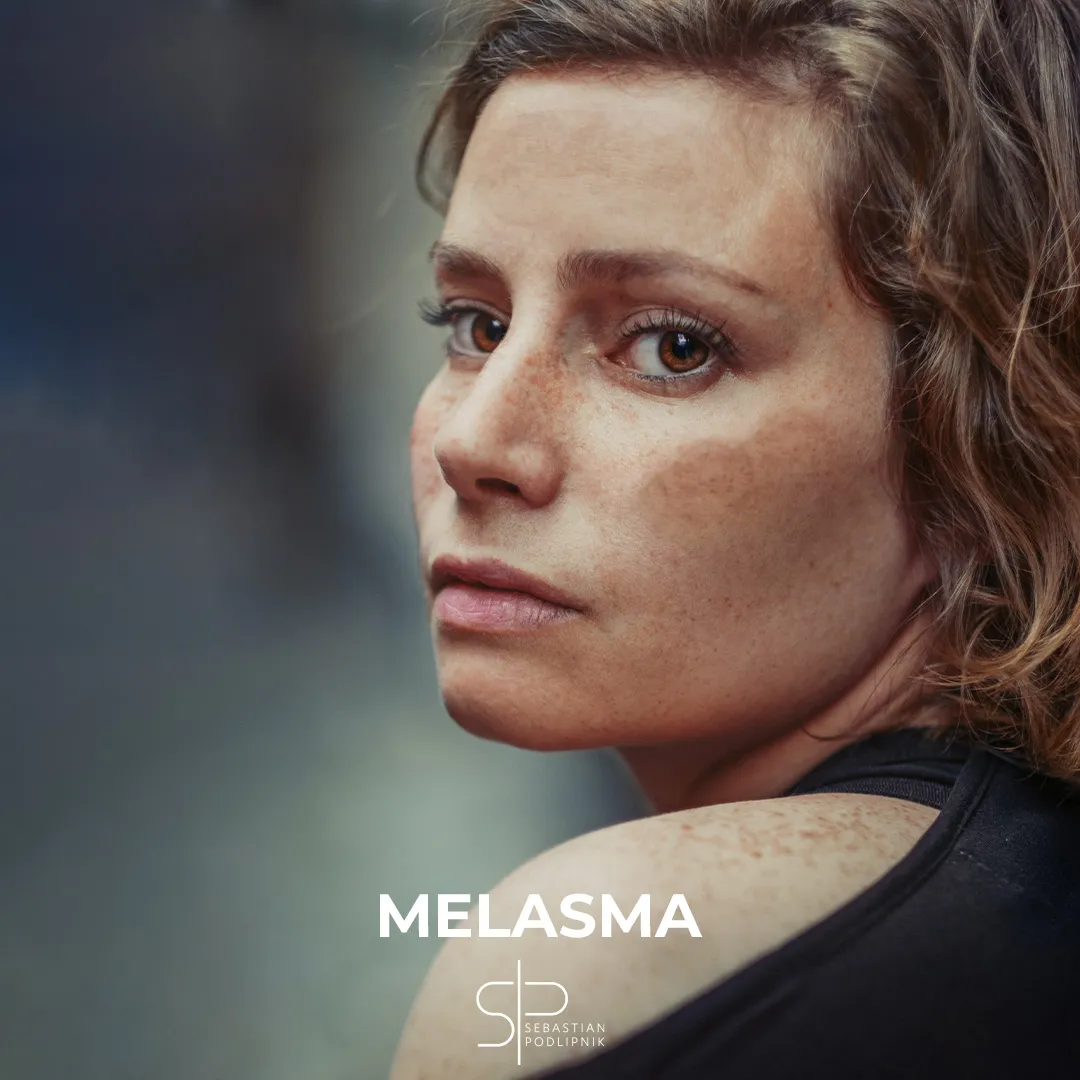
- Melasma: Symmetrical and irregular hormonal-based spots, common during pregnancy and with contraceptives, and worsened by the sun. They are chronic and require specific treatment. I explain everything in my post dedicated to Step-by-step treatment of melasma.
- Post-inflammatory: after an inflammatory process, spots may appear on the skin. such as severe acne, irritation from waxing or a rash.
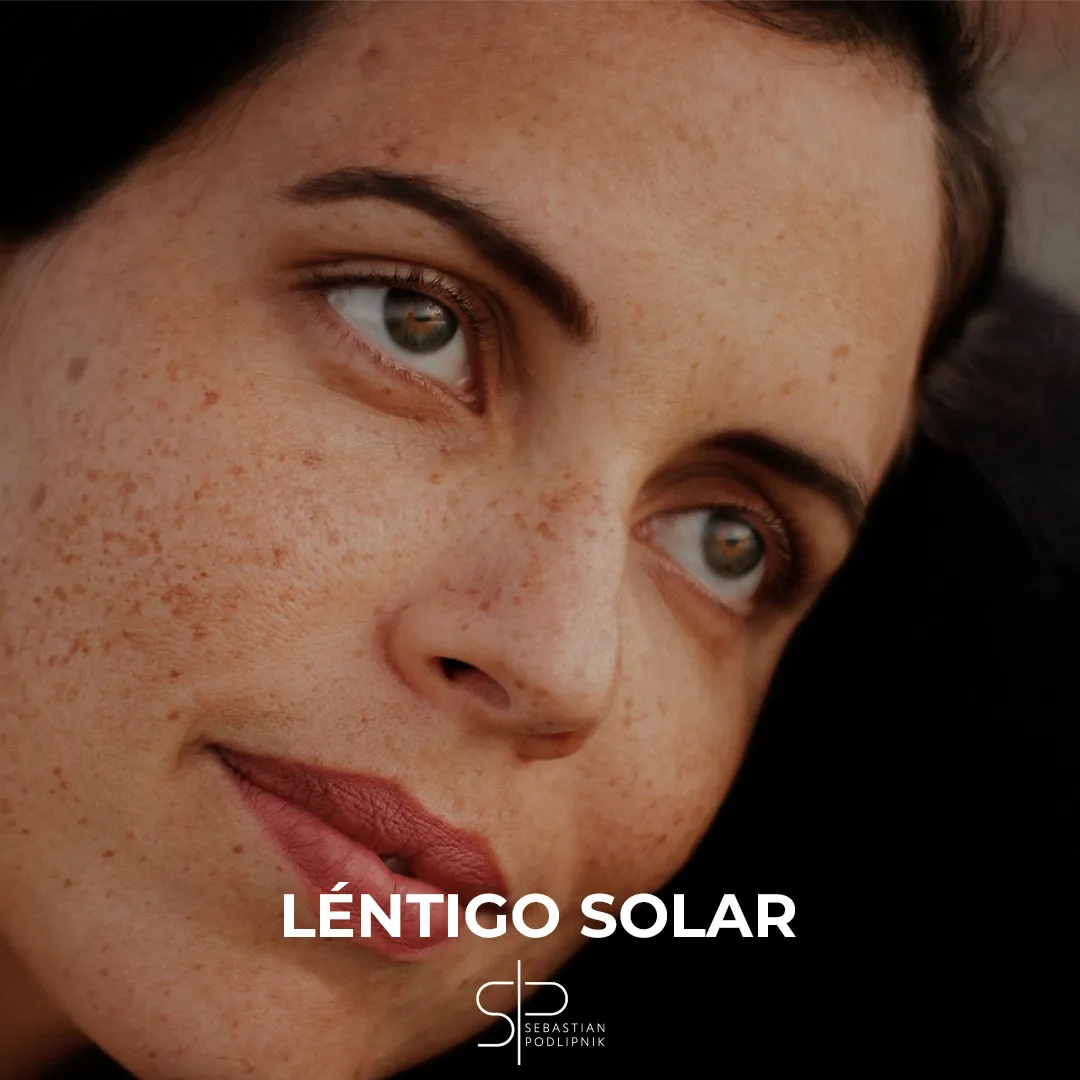
- Solar lentigo or sun spots: almost all of my patients blame age for these spots, but they are not actually produced by aging, but by the progressive accumulation of ultraviolet radiation from the sun and tanning beds. They respond excellently to IPL laser. I delve deeper into my post about How to remove sunspots on the face with laser and IPL.
- Ephelides: also known as freckles. They are absolutely normal and tend to appear early in life.
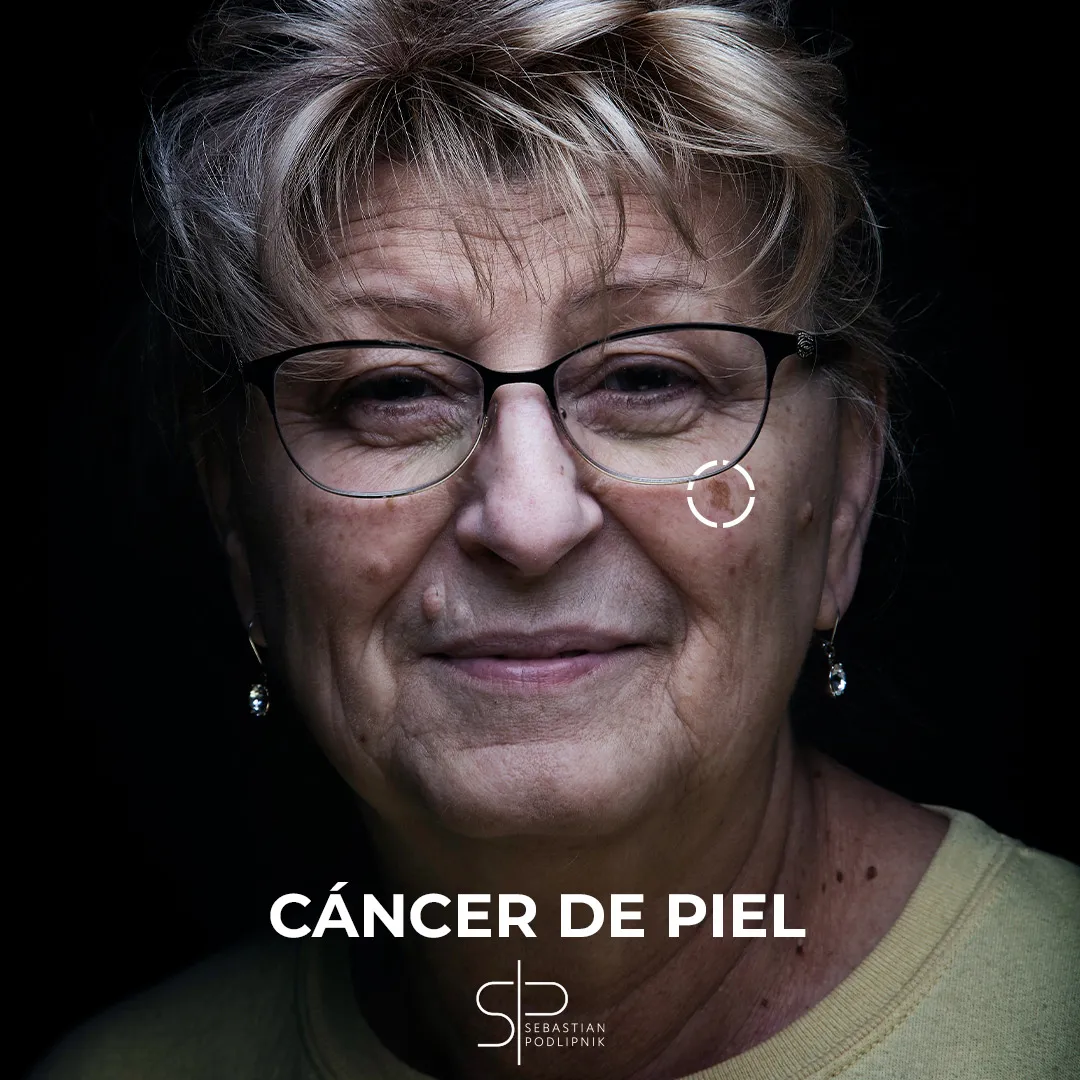
- Skin cancer: fortunately Melanoma is not as frequent but it is the most important and can also manifest itself as a brown spot on the face. Like specialist in the Melanoma Unit of the Hospital Clínic de Barcelona. I see many of these lesions and it can be very difficult to differentiate them from sun spots if you are not a specialist dermatologist.
The 4 types of facial spots
Quick guide to identifying your stain
Dr. Sebastian Podlipnik · Dermatologist · sebastianpodlipnik.com
⚠ Consult your dermatologist urgently if a spot meets any ABCDE criteria
- ASymmetry: one half of the stain is not equal to the other
- BIrregular edges: ragged, blurred, or poorly defined
- CHeterogeneous color: multiple colors in the same lesion (brown, black, red, white)
- Ddiameter of 6 mm, about the size of a pencil eraser
- EEvolution: changes in size, shape, or color, or bleeds over time

How to prevent spots from appearing on the face?
There is a phrase I repeat in every consultation: "The best treatment for a stain is to prevent it from appearing.". It seems obvious, but most patients come to my office after years of neglecting this step. And then they're surprised when the results of the most expensive laser last only a few months.
Prevention is not a supplement to dermatological treatment: it is the base on which any treatment makes sense. If you do laser, if you use hydroquinone, if you undergo a chemical peel, and then go out the next day without sun protection, you're throwing your money away. In the following lines, I'll explain what types of light cause spots (there's more than one), how to protect yourself from each, and what products I recommend to my patients in consultations.
This article contains affiliate links. If you purchase through them, I receive a small commission at no additional cost to you. I only recommend products that I use or that meet rigorous dermatological criteria.
If you are careful and limit your sun exposure, you will never have a brown spot to begin with.
Year-round sun protection
If you are careful to limit your exposure to the sun, you will probably never get a brown spot. Regular application of sunscreen and protecting your skin when the sunlight is most intense are the most effective things to do to avoid getting a brown spot.
But beware, the sun is not the only source of radiation or light that can cause facial blemishes. Now I will explain what types of staining light exist and what they are. check this link if you want to know more about sun protection.
The sun
The sun is the main culprit in the development, progression and maintenance of facial blemishes. When we expose ourselves to the sun we are exposed to Ultraviolet (UV) radiation that will cause damage to our DNA and the release of oxygen free radicals in our skin.
To defend ourselves, our skin activates a defense mechanism against this radiation, producing a tan. So, even if you like your summer tan, you should be aware that lhe skin has memory and it will gradually accumulate all this radiation that we are providing it with. All this cellular damage will surface years later in the form of brown spots on your face.
Many of my patients claim that they tan in order to produce vitamin D, However, more sunshine is not synonymous with more vitamin D.
Tanning booths (UVA rays)
Both ultraviolet A (UVA) and ultraviolet B (UVB) radiation cause cellular damage that can cause facial blemishes but also skin cancer.. When you lie in a tanning bed, you are mainly exposed to UVA rays, which are more harmful and penetrate deep into the surface of the skin, damaging the cells underneath and prematurely aging your skin.
Tanning booths use high-pressure sun lamps that can deliver up to 12 times the annual dose of UVA rays compared to the dose you receive from sun exposure. We would therefore be accelerating the production of spots and increasing the risk of skin cancer by up to 75%.Quote Although Spain has no legislation to deal with them, other countries, such as France have banned the use of UVA booths for several years.
Blue light
High-energy visible light, also called blue light (HEVL), does activate melanogenesis and can worsen hyperpigmentation, especially in phototypes III-VI. But here we need to set things straight because there's a lot of misinformation surrounding this topic.
Let's start with the most compelling data point. A systematic review published in Photochemical & Photobiological Sciences, directed by the group of Dr. Henry W. Lim (one of the world's leading authorities in photomedicine), applied the OHAT framework (the standard for assessing health risks) to all available studies on blue light from electronic devices. The conclusion was clear: Exposure to blue light from screens was NOT identified as a danger to skin pigmentation, melasma, or photoaging. (Ceresnie et al., 2022).
A second job from Photobiology Dermatology Laboratory of the University of Malaga quantified the effective blue light irradiance on the skin according to its source: blue light represents 25% of solar radiation, while electronic devices emit around 30% of their radiation in this band. The key difference lies in the intensity: A few minutes outdoors at midday far surpass hours of continuous screen time. (de Gálvez et al., 2022).
Does the sun or screens stain your skin?
What the scientific evidence says
THE SUN
Dominant Source
25% of solar radiation
It's high-energy blue light
Activates melanogenesis and worsens pigmentation, especially in phototypes III-VI
SCREENS
Minimal impact
OHAT Systematic Review
the risk assessment standard
Not identified as a danger to pigmentation, melasma, or photoaging
Sources: Ceresnie et al. 2022 (Photochemical & Photobiological Sciences, Henry Ford Health) · de Gálvez et al. 2022 (Univ. Málaga)
Dr. Sebastian Podlipnik · Dermatologist · sebastianpodlipnik.com
Most “blue light” cosmetic products capitalize on an outsized fear of their real impact. The correct message is simple: concentrate your efforts on proper daily sun protection, not on sunscreen. This includes frequency (at least twice a day) and adequate amount: 2-3 ml on the face and 1.5 ml on the neck and décolletage.
Recommendations to protect yourself from different types of light
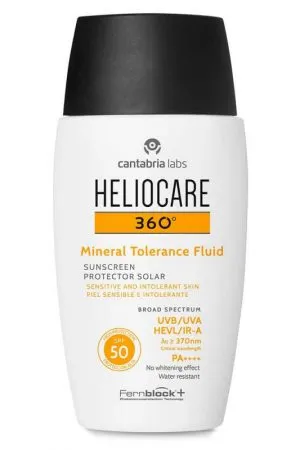 A daily preventive routine should include the application of a broad-spectrum sunscreen with SPF 50 every morning. It should also have a mineral base that includes protection against UVA, UVB, blue visible light (HEVL) and infrared (IR-A).
- Use sunscreen: apply sunscreen daily at the end of your care routine in the morning.
- Repeat: reapply every two hours on sun-exposed areas.
- Covering the skin: wear wide-brimmed hats, sunglasses and protective clothing against ultraviolet rays.
- Avoid: avoid sun exposure during the hours of highest UV index (between 11 am and 4 pm).
2. Depigmenting creams with antioxidants
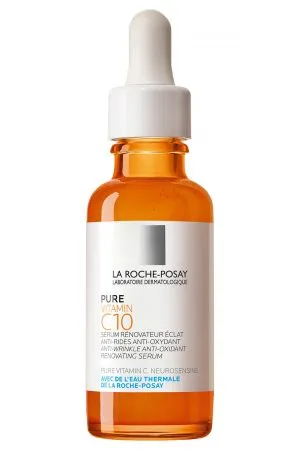
La vitamin C can be used as a topical antioxidant that helps prevent free radicals from causing oxidative damage to the skin (which can lead to wrinkles and dull skin and blemishes, among other things). It also inhibits the enzymatic processes that produce melanin in the skin, so it can help prevent and reduce hyperpigmentation.
How to use it: Apply a few drops daily to cleansed skin, preferably before applying sunscreen in the morning.
My favorites:
3. Retinoids or vitamin A derivatives
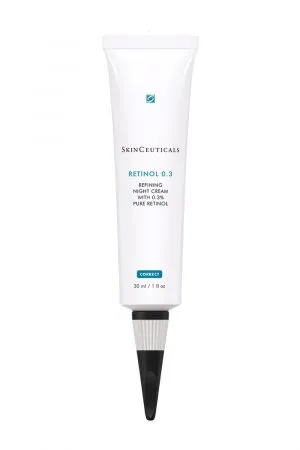 Retinoids can work wonders to prevent and improve brown spots on the face by stimulating collagen production and accelerating cell turnover. Retinol can irritate the skin at first, so start using these products gradually.
How to use it: Apply every night before going to sleep. Start a few times a week and then increase the frequency progressively until every night.
My favorites:
Retinoids can work wonders to prevent and improve brown spots on the face by stimulating collagen production and accelerating cell turnover. Retinol can irritate the skin at first, so start using these products gradually.
How to use it: Apply every night before going to sleep. Start a few times a week and then increase the frequency progressively until every night.
My favorites:
4. Other pharmacy creams
Chemical exfoliants typically use various types of mild acids to remove dead skin cells in the top layer of skin. Removing this layer can help reveal healthier, more even-toned skin and disguise blemishes. Although many of these are less potent than retinol, they can also cause skin irritation.
Depigmenting creams that use chemical exfoliants may contain the following ingredients:
- alpha hydroxy acids (AHA)
- beta hydroxy acids (BHA)
- azelaic acid
- glycolic acid
- lactic acid
- mandelic acid
- salicylic acid
These products can be purchased over-the-counter or in more potent forms from a dermatologist. It is important to use chemical peels sparingly, as the skin needs time to rebuild and repair itself. Using a product more often than intended may cause irritation or inflammation. If you experience any side effects, stop using that product.
I have followed all the above steps but I still have spots!
Don't worry: there are many treatment options left. Most of my patients with stubborn blemishes improve by following the protocol detailed in my book, even before needing an in-person consultation. There you'll find the step-by-step diagnosis, morning and night routines according to your skin type, and what to truly expect from each treatment.
If the book doesn't solve your case, or if you live nearby and prefer an in-person consultation, you can also book a dermatology visit.
How to remove spots on the face with an expert dermatologist?
Now, if you've made it this far, it's time to reinforce the treatment and search for more potent and effective procedures to remove blemishes on the face more rebellious. Depending on the initial diagnosis that we will make in our office, we will start an individualized treatment plan and once you have improved, we will propose a maintenance treatment.
1. Magistral formulations with hydroquinone
Hydroquinone is one of the most most commonly used treatments to treat hyperpigmentation on the face for the last 50 years. This depigmenting cream is widely used in master formulas by dermatologists, often in combination with kojic acid, tranexamic acid and retinoic acid. At the biological level, hydroquinone acts by inhibiting an enzyme called tyrosinase, which contributes to the production of melanin. Naturally, the less tyrosinase is produced, the less melanin is produced.
La triple combination of hydroquinone 4%, tretinoin 0.05% and fluocinolone 0.01% (the classic Triluma) is the only FDA-approved treatment for melasma and continues to be the gold standard for its proven efficacy across all phototypes. (Mahajan et al., 2022).
In some cases, the effects of hydroquinone can be seen in as little as two weeks. However, the Most patients should wait at least 8 to 12 weeks of use to see a visible difference. The speed of response will depend on some factors such as the extent of the hyperpigmentation, the depth of the spots and how long you have had the spots.
Alternatives for those who can't tolerate hydroquinone They exist. A controlled trial showed that thiamidol 0.2% redujo la severidad del melasma un 43% en 90 días, superando al 33% de la hidroquinona 4%, con mejor tolerancia (Lima et al., 2021). And a meta-analysis of 673 patients found that the azelaic acid it can be even superior to hydroquinone in reducing MASI (Albzea et al., 2023). Topical tranexamic acid, niacinamide, and kojic acid are also clinically supported alternatives (Suliman et al., 2025).
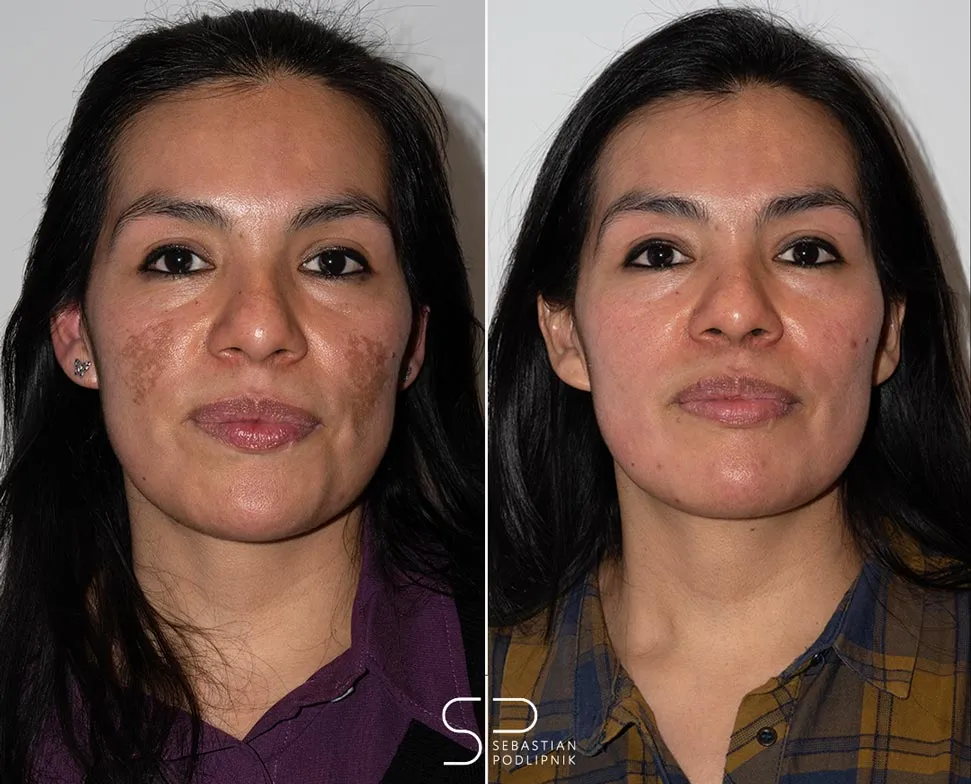
This depigmenting cream is especially indicated for facial spots after pregnancy and other diffuse hyperpigmentations. Due to its potential for irritation, it is necessary to be supervised by a dermatologist to avoid complications. Here is the case of a patient who had multiple spots on her face secondary to chronic sun exposure and aggravated by her hormonal profile.
Dermatology tip: This master formula for skin lightening is typically used for 2 to 3 months, always under the supervision of a dermatologist. Once discontinued, it will be necessary for you to continue caring for your skin with photoprotection and a specific cream.
2. Lasers
A more aggressive option for improving and removing brown spots on the face is laser treatment, which uses concentrated light energy. Some laser treatments are directed against the pigment itself, while others work by removing the skin layer by layer.
Lasers are the best treatment to improve brown spots on the face caused by chronic sun damage (sun spots or age spots). Lasers use a beam of light that has a specific target or chromophore (pigment) that ends up destroying it and then the particles are eliminated through the skin. If you are interested in learning more how lasers work and what other indications they haveYou can see my page dedicated to this subject.
For melasma specifically, a controlled trial demonstrated that Nd:YAG picosecond laser (1064 nm) was superior to picosecond alexandrite laser and 2% topical hydroquinone%, with a good safety profile in phototypes III-IV (Liang et al., 2023).
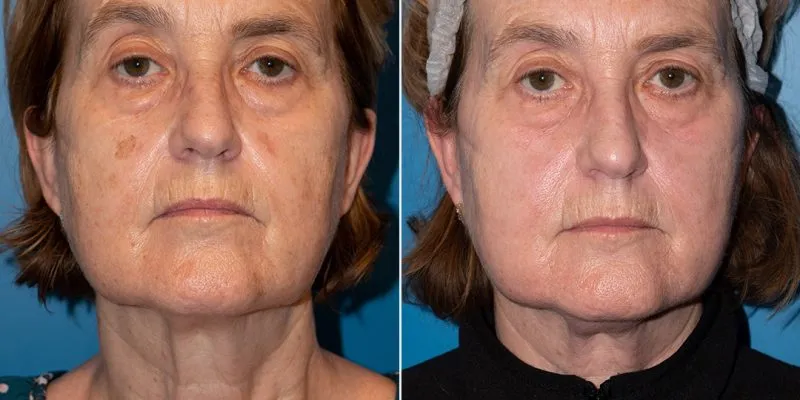
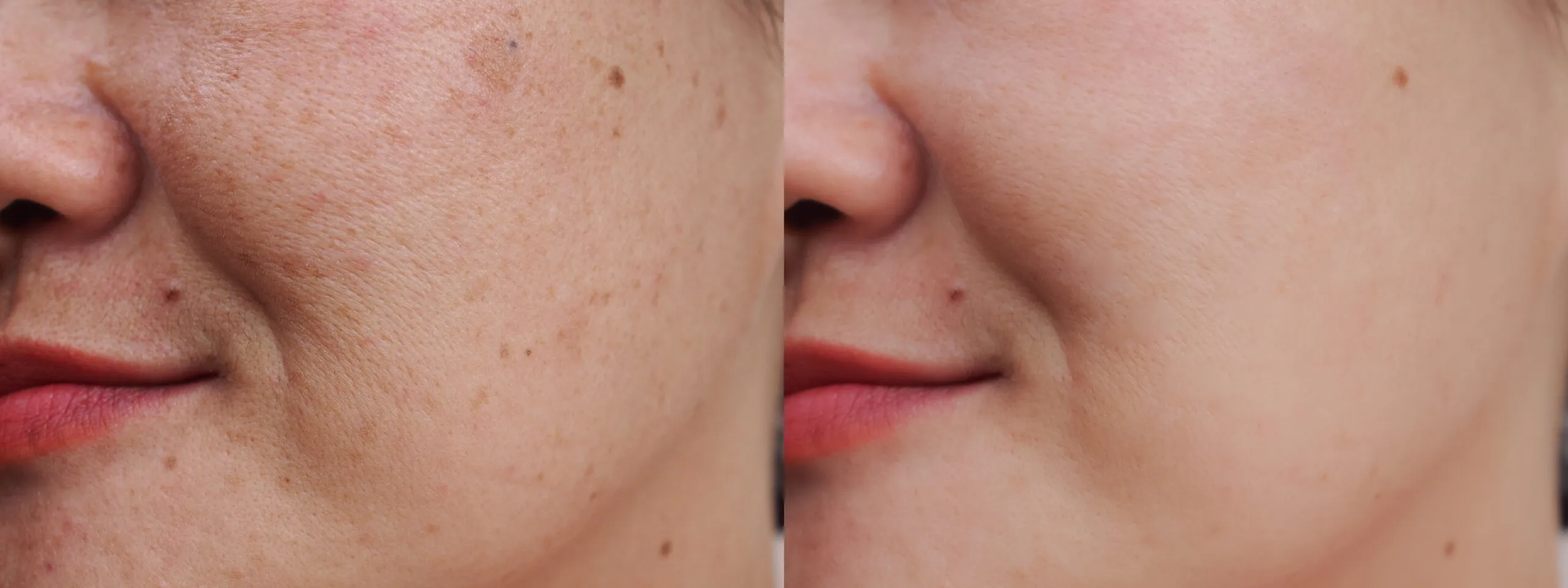
Dermatology tip: Keep in mind that 1 to 3 laser treatments (possibly even more) will be required, with four to six weeks between sessions, and should only be performed by qualified laser professionals.
3. Microneedeling or microneedling
It is an excellent option for patients who have darker skin or who for other medical reasons cannot undergo the previously described procedures. It is a minimally invasive treatment that uses very fine titanium needles. which creates a series of micro lesions that increase the skin's collagen production and improve elasticity.
To obtain the best results in case of facial blemishes, the microneedling is often combined with topical treatments. Once the small channels through the skin have been created, it is possible to infuse ingredients with depigmentation activity, such as tranexamic acid or vitamin C.
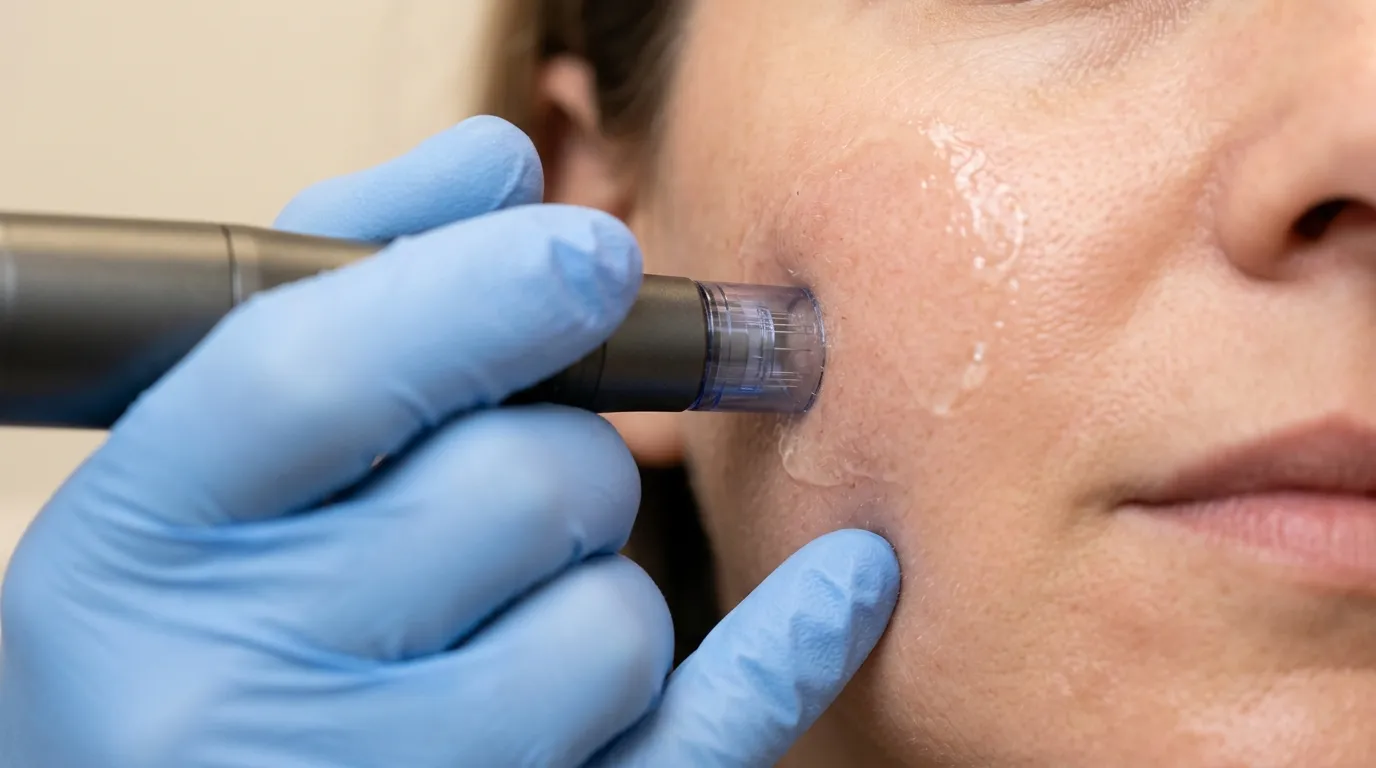
Dermatology tip: A minimum of 3 treatments separated by at least 6 weeks should be performed.
4. Chemical peels and masks for medical use.
Depigmenting exfoliating treatments and professional-use masks remove the top layers of skin. Over time, these treatments can stimulate collagen production, improve cell turnover and reduce the appearance of dark spots on the skin. However, always beware of an overly potent chemical peel, which can burn the skin.
The most common active ingredients in professional peels are glycolic, mandelic, salicylic and lactic acid and trichloroacetic acid. Although at-home peels are available, they are gentler and will only remove superficial dead skin and will not go deep enough to treat brown spots on the skin.
Of course, be aware that chemical peels can be irritating, especially on sensitive skin, so if you have a history of rosacea or sensitive skin be sure to talk to your dermatologist to assess if this is the best treatment for you.
Dermatology Tip: Several sessions are usually performed (between 3 to 6) spaced one month apart. If more potent peels are performed, fewer sessions will be necessary, but there is a higher risk of complications.
5. Oral treatments
That's right, there are also oral treatments to treat spots on the face, especially those secondary to melasma or pregnancy spots. The tranexamic acid is an oral medication that inhibits melanin synthesis and the transfer of pigment to the top layer of the skin. Since melasma occurs when skin cells produce too much melanin, this makes tranexamic acid an ideal way to counteract brown spots on the skin.
A recent meta-analysis that brought together 22 clinical trials with 1,280 patients confirmed that oral tranexamic acid is the most effective route for reducing melasma severity, superior to topical or intradermal use (Calacattawi et al., 2024). Previous studies had already shown this significant improvement (Wang). In a retrospective review in Singapore, 91.7% of 561 patients who took oral tranexamic acid showed significant improvement (Zhang).
What is the appropriate dosage? A network meta-analysis established that the The optimal dose is 250 mg three times a day for 12 weeks., with 250 mg twice daily as an acceptable alternative in patients with low adherence (Wang et al., 2022). It should always be prescribed by a dermatologist after ruling out contraindications such as a history of thrombosis or the use of high-risk hormonal contraceptives.
As an adjuvant, the Polypodium leucotomos, an oral plant extract with photoprotective and immunomodulatory properties, can complement melasma treatment and daily photoprotection, according to a recent systematic review (Zundell et al., 2025). I delve into oral tranexamic acid in my post about melasma treatment.
Quick summary: what treatment do we apply depending on the type of stain
| Spot type | First-line treatment | Time to visible results |
|---|---|---|
| Solar lentigo | IPL Laser or Picosecond Nd:YAG | 1-3 sessions (4-12 weeks) |
| Melasma | Triple topical combination + oral tranexamic acid + photoprotection | 8-12 weeks (chronic, requires maintenance) |
| Post-inflammatory | Azelaic acid, niacinamide, or thiamidol | 8-12 weeks |
| Freckles | Prevention with daily sun protection | They fade in winter, they are not eliminated |
| Lentigo maligna / melanoma | Urgent dermatological evaluation and biopsy | It depends on the oncology treatment |
Dermatology tip: we normally use tranexamic acid as a second-line treatment in patients with melasma. It can also be used during the summer months when strong depigmenting creams should be discontinued.
I want to remove spots on my face but I don't know where to start.
If you've come this far looking for a clear answer, the next step is to understand your specific case. Not all stains respond the same way, not all treatments work for all types, and many patients lose months and money trying the wrong products. The facial spot book condenses the same protocol I apply in my practice.step-by-step diagnosis, morning and night routines by spot type, what to realistically expect from each treatment, and the most common mistakes that prevent seeing results.

Facial blemishes book
For all those who are far away or do not have the possibility to go to a dermatologist, I have written this book on facial blemishes.
In it I explain in depth the different causes of facial blemishes and leave you with specific guidelines for creams to start at home.
And, can home remedies remove spots on the face?
Now a final word about "natural" treatments or homemade products to remove blemishes on the face. Many of the home treatments recommended by different blogs or internet sites may not have any proof of efficacy or, more seriously, may not have any proof of efficacy, have side effects. Examples include lemon, baking soda and the apple cider vinegar. Actually, there are no scientific studies to back up claims that these treatments work.
In some cases, these depigmenting treatments may even can aggravate skin blemishes. In some patients these components can be irritants and produce a contact dermatitis (phytophotodermatosis) like lemon juice or some natural exfoliants. Consequently, they could generate a reaction called post-inflammatory hyperpigmentation that will worsen the spots and is then very difficult to improve.
Other products may also contain ingredients that can damage the skin or overall health, such as mercury or corticosteroids. The application of these can cause iatrogenic acne, facial rashes and produce irreversibly fragile skin over time.
Myths vs. Reality
Regarding facial blemishes
By Dr. Sebastian Podlipnik
"Lemon lightens dark spots."
It is phototoxic: it can worsen them after sun exposure (phytophotodermatitis).
"They pass alone with time"
Without treatment, lentigines tend to grow and melasma becomes chronic.
"Screens cause blemishes"
OHAT Systematic Review: Not a Hazard to Skin Pigmentation
"Sunscreen only in summer"
The UVA rays are present year-round, even on cloudy days, and can penetrate windows.
"A pharmacy cream is enough"
Effective treatments require 8-12 weeks with a dermatological regimen.
"The laser eliminates forever"
Without daily sun protection, the dark spots will reappear. Lifelong prevention.
sebastianpodlipnik.com · @drsebastian_derma
The 6 most common beliefs about facial spots that I hear in consultations, debunked. Save and share this infographic with anyone who needs it.
Frequently Asked Questions About Facial Stains
Can facial blemishes be removed permanently?
Yes, but it depends on the type of stain and commitment to prevention. Solar lentigines respond excellently to IPL lasers and are usually eliminated in a few sessions. Melasma is chronic and requires maintenance treatment. Without strict daily sun protection, recurrence is almost certain, even after successful dermatological treatments.
How long does it take for facial blemishes to disappear?
It depends on the treatment. With topical hydroquinone 4%, improvement is observed in 8-12 weeks. IPL laser shows visible results from the first session for solar lentigines. Melasma requires 3-6 months with a combined approach. No stain disappears in 3 days as the marketing promises.
Why do spots appear on the face?
The main cause is accumulated exposure to ultraviolet radiation from the sun. Other factors include hormones (pregnancy, contraceptives), genetics, skin inflammation (acne, dermatitis), and blue visible light from the sun, which also stimulates melanin production. Screens, on the other hand, have a much lower impact than the sun.
Does lemon remove spots on the face?
No. Lemon juice is phototoxic and can cause phytophotodermatitis: even more intense and persistent brown spots after sun exposure. No controlled study demonstrates its depigmenting efficacy. Safe cosmetic acids include glycolic, mandelic, and azelaic, always with photoprotection.
Are facial spots dangerous?
Most are benign (lentigines, melasma, ephelides). But some pigmented lesions are skin cancer: facial lentigo maligna, superficial spreading melanoma, or pigmented basal cell carcinoma. Any asymmetrical, rapidly growing, multicolored, or bleeding spot requires urgent dermatological evaluation.
What is the best dermatological treatment for dark spots?
There isn't a single best treatment; it depends on the diagnosis. For solar lentigines, IPL laser is the first choice. For melasma, the triple topical combination (hydroquinone + tretinoin + fluocinolone) + oral tranexamic acid + strict photoprotection. For post-inflammatory hyperpigmentation, azelaic acid or niacinamide.
Final recommendations for the removal of facial blemishes
If you had to take just one rule home from this entire list, let it be this one: Use a broad-spectrum sunscreen every day of the year.. Not on the beach, not on sunny Saturdays. Every day. Even cloudy ones. Even in winter. Sunscreen is the only "anti-aging treatment" with solid scientific evidence, and coincidentally, it's the cheapest of them all.
If you've gone years without protection and already have visible spots, it's not the end of the world. Modern dermatology offers increasingly precise tools: picosecond lasers that pulverize pigment in microseconds, compounded formulas adjusted to your phototype, oral medications with meta-analysis evidence. The next step is to get a correct diagnosis with a Dermatologist specializing in hyperpigmentation that can guide you on what treatment makes sense for your case.
With the right decisions, facial blemishes are no longer a recurring problem.. Most of my patients, after the first few months of treatment, forget about the issue and only maintain two habits: daily sun protection and an annual check-up. This is the life I'm inviting you to: not an obsession with dark spots, but a simple routine that allows you to look in the mirror without worrying about them.
Related articles for the spot cluster
- Treatment of melasma: if your spot is hormonal (pregnancy, birth control) or diffuse and bilateral.
- How to remove sun spots on the face: if they are solar lentigines or sunspots, and you are interested in laser or IPL treatment.
- The best sunscreensfundamental for prevention and maintenance after any treatment.




207 Responses
Hi, how are you doing, could you give me some guidance? I have horrible brown spots in the whisker area. I went to the dermatologist and he recommended Esfumel cream but I don't see any results. I had the same thing happen to me years ago and I also went to the dermatologist and he recommended an excellent cream, I don't remember the name.
Dear Ana,
I would be happy to review your case but before recommending treatments I always do a consultation with my patients first. You can see all contact details in the following link.
Hello, I am 24 years old and I have a brown spot on my right mustache area. I was told that it was a post-inflammatory spot and that with time this spot would go away. It appeared in the month of August and they did not recommend any cream. Then I went to another dermatologist and told him about my situation, who evaluated me and told me that it had worsened due to a chronic infection I had, and therefore I got the brown post-inflammatory stain.
He recommended the laser but he told me that this could come up later and the spot would come back again, so I did not do the treatment because I was a little scared and I bought the neoretin discrom control pigment cream plus the sesderma vitamin C serum about 17 days ago. I do not know if I have done well, Dr. could you help me and what alternative you could give me.
Dear Maricela, post-inflammatory spots on the face are undoubtedly difficult to treat and usually require a lot of time. In order to make a specific treatment recommendation it is necessary to evaluate your case thoroughly. At this time I have my practice in Barcelona, Spain or online.
Hi, I'm Adriana and I'm 44 years old.
2 years ago, out of nowhere I got a spot on each cheekbone, it has been getting bigger and bigger, I have used glycolic acid, hyaluronic acid, hydroquinone, but nothing helps me and I am already looking ugly with that pair of spots. Do you think you can answer me something?
Thank you for your time and whatever you can tell me.
Dear Adriana, your spots are probably due to melasma and you have done several treatments with creams that are well indicated but without results. First of all, I think it is important to make a proper diagnosis of your facial blemishes and for that you need to go to a dermatologist specialist. In addition, if you are interested I have also written an book on facial blemishes with several tips that I do daily with my patients.
Hello, I am 46 years old and I have a brown spot on the tip of my nose, I think it is due to a pimple I had some time ago, but it seems to me that it is growing, it worries me.
Dear Heidy, without a doubt, if you have a pigmented lesion that continues to grow, it is ideal that you consult a dermatologist so that he/she can evaluate it.
Best regards
Hello Dr. my name is Emilia I have some spots under my eyelids I don't know what else to do to remove them I don't know why they came out I just know I don't want them on my face.
Hello Emilia,
I would love to help you but a visit is necessary. You can see in the contact us section the different options to be able to to make an online or in-person consultation.
Hello Dr, my name is Guadalupe and I would like you to help me. I started to get spots on my face like a cloth and I feel that they became more acute with the use of the mask. Before I only had a small one on my right cheek, I went to the dermatologist and he prescribed me triluma cream and sun block, and it didn't go away. Over time I began to get more and I went to another dermatologist, he told me I had melasma and prescribed me a preparation that they sell with hydrogen peroxide, and the blocker simibloc and glicoisdin 15, but I kept on getting them. At the next consultation he prescribed me eldoquin to 2% but they do not go away and I continue to get them. Could you advise me and I've been more than 6 months and I still continue to get them and they do not reduce?
Hello Guadalupe,
I hope you are very well. From what you say it is probably a facial melasma. It seems to me that many of the treatments that my colleagues have given you are not badly done, however, from what you say I see that they have not explained much of what this disease is about and the prospects for improvement that you have. As there are many of my patients and people who write to me daily about this problem, I wrote an specific book on facial blemishes which you can find here and that I recommend you to read first of all.
Greetings, I am Ayalidi and I wanted to ask you if Retiderm removes acne spots on the face. A dermatologist prescribed it for me along with benzoyl peroxide, can you tell me about a product for blemishes?
Hello Ayalidi.
I hope you are very well. Indeed retinol like Retiderm® is a molecule that we use a lot for the treatment of acne and pigmented marks that may remain. In acne, the first and most important thing is to treat it effectively so that inflammatory lesions stop appearing and secondly to look for the most effective way to improve facial blemishes. It is important to know that it is a process that may take a few months. To recommend you something more specific it is necessary to make an assessment.
Hi, I am 33 years old and I have some spots on my face. Apparently they are from melasma and I got them during my pregnancy, what would you recommend? How much does your online consultation cost?
Hello Julia,
I hope you are doing very well. This is exactly the age when melasma starts to appear and pregnancy can play an important role in its development. I recommend that you first read my patient-oriented book on facial blemishes that you can find at this link. This way you will be able to understand in depth what is happening with your skin. Later if you want we can have an online visit and evaluate your case for a more personalized treatment.
Greetings. I am 38 years old and I have a lot of spots on my face, what do you recommend?
Hi Crismeidy. I recommend you do one of the following 2 options depending on your preference.
1- I have recently written a book on facial blemishes with specific care guidelines which you can find in the following link.
2- See a dermatologist for evaluation and a specific treatment for you.
Best regards
How can I remove a spot I have on my face under my eye? Some people have told me that it looks like a mole and I tell them that when I was 11 years old I went to the beach with my sister and I got a blister due to too much sun without protection. Over the years it has changed and now it looks like a bruise, what do you recommend me please?
Hello Olga,
With the description you give me it is very difficult to make a diagnosis, let alone a treatment. Undoubtedly the best thing to do is to see a dermatologist.
Hello doctor, I am currently 18 years old and I have a problem with the issue of flat moles as I have many on my face, neck and arms, these are brown, brown, etc.. Do you think they can be removed with a laser treatment or what do you recommend?
Hello Lenin,
In your particular case we first need to know the diagnosis of these spots. If they are indeed melanocytic nevi, laser treatment to remove them would be contraindicated. Normally, lesions derived from melanocytes such as moles can only be removed by surgery because they need to be analyzed under the microscope and cannot be burned. Therefore, the most important thing is to see a dermatologist so that he/she can inform you of the different options.
Best regards
Hello doctor, a while ago I went to the dermatologist for some pregnancy spots that appeared on my face. The dermatologist told me that he would remove them with a procedure, but I never thought it would be so invasive. Then he explained to me that it was through electrosurgery, I've been doing it for over a month and I feel that it left me worse than I was.
I have had to buy a lot of creams, and I feel very sad, now I went to another dermatologist, he recommended me almost the same, he only added a sun block and a hat, I don't see results, I want my face back.
Hello Natalia,
I am so sorry for what you are going through. I would like to have more information about what has happened to you and the treatment you have been given so that I can help you. To do this we need to be able to make a visit and thoroughly assess your problem. Fortunately I have online consultation and we can see your problem from a distance.
Hello doctor. I had plasma Pen and my face was free of spots but I started to put hydroquinone and where I removed the spot I got another one in the same place but reddish.
Hello Rosmery,
In order to know what is happening with your skin I would have liked to know what type of lesions have burned with Plasma Pen. Most likely what is happening now is a post-inflammatory hyperpigmentation and it is very important that you protect yourself from the sun during this time. If you have any further questions, you should ask the dermatologist who performed the procedure.
Best regards
Hello, I would like to know how I can remove these spots that give me a complex that I have had for about 8 years. They have appeared on my cheekbones and under the circles under my eyes. I have tried using hydrogen peroxide, baking soda, but I think they got worse. I have also used commercial creams to lighten the spots, but they have not improved. What can I do to make them disappear? I am 50 years old and have two children aged 14 and 18. I was told that it may also be liver spots, but I really don't know. Thank you.
Hello Ivone,
I hope you are doing very well. I like your post because there are several things to comment on:
1- Home treatments for facial blemishes. This is something I never recommend as many of them produce intense inflammation of the skin and can end up worsening facial blemishes. Never use baking soda, lemon or hydrogen peroxide, among other things.
2- Treatment of facial blemishes. In general, I always recommend going to a specialist to evaluate your spots and a personalized treatment. But I know that it is always difficult to go to a specialist. That is why I wrote this ebook on facial blemishes that can help you understand what is happening to you and take general measures to eliminate the stains.
3- Your liver is perfectly fine. Facial blemishes are not caused by any problems in your liver!
Best regards
Hello greetings. I was diagnosed with erythema dyschromicum perstanum or ashen dermatosis, I have brown spots on my face and neck. I would like to know how to remove them.
Hello Juan José,
Erythema dyschromicum perstans is a rare disease with bluish hyperpigmentation that occurs most frequently in people with skin type IV-V. It is most common in Central and South America and Asia. It is most common in Central and South American and Asian countries. To this day its cause is unknown.
With respect to treatment, multiple therapeutic modalities have been tried but with disparate results in different patients. Undoubtedly, the best decision you can make is to have a follow-up and treatment by a specialist dermatologist,
Apparently, the spots can begin to appear at any age.
My daughter was born with a slight mole-like spot on her face, but now it covers her face on the right side. It is just a strange mole it is said, but it has changed my daughter's life, as she is a teenager now. We only use recommended natural blends, and those seen on websites. Thanks for the article
Dear Sir or Madam,
I hope you are feeling well. From what you describe in your comment it is probably not a facial blemish like the ones I talk about in this article. I imagine that your daughter may have some type of congenital (birth) lesion such as a nevus of Ota, a café-au-lait spot or a congenital nevus. I would definitely recommend that you see a dermatologist for further evaluation. This type of spots will never improve with creams and what you need is a correct diagnosis and treatment.
Best regards
Hello doctor I have some spots on my face that look like moles and are from the sun and are all together that I started to leave at age 12 and now I am 15 years old. I want you to give me some recommendation to laminate them.
Hello Yafreisy,
From your age and the description you give me, they are probably solar lentigines. They usually do not respond well to topical or laser treatments. The most important thing is to prevent it with adequate sunscreen ("do not tan your face"). But to be sure that this is the case, it is important to be evaluated by a professional dermatologist.
Best regards