We use technologies like cookies to store and/or access device information. We do this to improve your browsing experience and to show (non-)personalized ads. Accepting these technologies will allow us to process data such as your browsing behavior or unique IDs on this site. Not accepting or withdrawing consent may negatively affect certain features and functions.
The technical storage or access is strictly necessary for the legitimate purpose of enabling the use of a specific service explicitly requested by the subscriber or user, or for the sole purpose of carrying out the transmission of a communication over an electronic communications network.
Technical storage or access is necessary for the legitimate purpose of storing preferences not requested by the subscriber or user.
The technical storage or access that is used exclusively for statistical purposes.
Technical storage or access used exclusively for anonymous statistical purposes. Without a subpoena, voluntary compliance from your Internet Service Provider, or additional records from a third party, information stored or retrieved for this purpose alone cannot usually be used to identify you.
The technical storage or access is required to create user profiles to send advertising, or to track the user on a website or across several websites for similar marketing purposes.






353 Responses
Buenas noches Dr. Tengo un lunar plano de nacimiento en la mejilla, como del tamaño de una uva. Quiero quitármelo pero no se si ir con un cirujano o un dermatólogo. He consultado con cirujanos y me han dicho que es mejor cirugía que laser. Que necesitan sacar un pedazo de piel de la pierna para ponerlo donde me quitaran el lunar. En su experiencia, cómo quedan las cicatrices en el rostro con este tamaño de lunares.
Hola Diana, mi recomendación es la siguiente. En primer lugar visitaría a un dermatólogo para que pueda valorar bien este lunar y haga un diagnóstico correcto de la lesión. Dependiendo de los hallazgos que se vean en la consulta podrán discutir los dos el mejor tratamiento disponible para tu lunar y si es preferible hacerlo con el cirujano o con el dermatólogo.
Best regards
Hola, tengo un nevus atípico en el hélix de la oreja izquierda y, supuestamente, es un melanoma maligno que han de extirpármelo la semana que viene para analizar mediante biopsia. Estoy muy preocupado por el sitio donde se encuentra, pues entiendo, que no hay apenas margen de maniobra para la escisión. El lunar tiene 6,5mm. Estéticamente creo me va a quedar fatal y, como encima, salga mal la biopsia, tendrán que hacerme una segunda cirugía de ampliación de márgenes.
Llevo con ese lunar, creo, mínimo 2 años y un máximo, tal vez, de unos 5 años. Por una parte, si resulta ser benigno, bien, pero el daño estético creo será grande y me ocasionará otro problema, en este caso, el de aceptarme al verme sin un trozo de oreja y si resulta ser maligno, peor, pues habrá segunda cirugía y, entiendo, que inicio de no sé qué tratamiento. En fin, todo un despropósito. A ver qué opina usted.
Hola Ruf, te responderé una a una tus preguntas desde mi punto de vista que visito muchísimos pacientes con melanoma cada año. Antes que todo es importante que en tu caso estamos frente a una sospecha de un melanoma. El melanoma es un tipo de cáncer de piel que tiene la capacidad de diseminarse si no lo detectamos a tiempo. Por lo tanto, si existe una sospecha razonable de este diagnóstico tenemos que realizar una extirpación de la lesión para confirmarlo o descartarlo. La detección precoz de estas lesiones y el tratamiento temprano puede ser 100% curativo.
1- Con respecto al resultado quirúrgico. Con una lesión de 6,5 mm no debería quedar un marca y no debería haber un problema estético importante
2- Si se confirma el diagnóstico de melanoma se tendrá que hacer una ampliación de márgenes dependido de la profundidad del melanoma. Esto se debería valorar una vez extirpada la lesión.
3- Bajo ningún punto de vista la actitud terapéutica que se te ha explicado es un despropósito. El melanoma es un tipo de cáncer de piel con una gran capacidad de invasión si no se detecta a tiempo. Por lo tanto, si existe una sospecha clínica es fundamental realizar una biopsia de la lesión.
Muchas gracias por su pronta respuesta. Al decir despropósito, me refería a mi inquietud por cómo me va a quedar la oreja, pues la biopsia, sea con una cirugía o con dos, me preocupa, como también me preocupa, lógicamente, el posible mal resultado de la biopsia que eso sí sería un gran problema de salir positiva. Por otra parte, he leído que existen técnicas no invasivas para detección de melanomas, tales como la microscopia confocal in vivo y la dermatoscopia digital de alta resolución, al parecer más fiables que el diagnóstico por dermatoscopio. No sé si eso es así pues, insisto, tratándose de una zona tan sensible como el helix de la oreja, cualquier herramienta de biopsia que diagnosticara sin necesidad de cirugía el supuesto melanoma que pueda tener el lunar, en mi caso, podría interesarme. Vivo en Córdoba y ningún dermatologo de aquí me ha hablado de esa alternativa de la microscopia confocal. Han visto el lunar con el dermatoscopio y con ese medio han aconsejado la extirpación. La verdad, estoy bastante intranquilo y cualquier alternativa, de existir y ser fiable, podría servirme para no pasar por la biopsia de escisión a la que, la verdad, le tengo bastante temor. Muchas gracias. Un saludo.
Saludos Dr! Tengo una consulta, hace una semana me quitaron 3 lunares pequeños y cauterizaron, al principio la instrucción de mi Doctor fue que mantuviera el adhesivo durante un par de días y luego lo cambiara a diario o dejara sin adhesivo al estar en casa (porque no sale costra al estar húmedo, soy de cicatrización lenta). Luego me dijo que me dejara el adhesivo el mayor tiempo posible, con alcohol por encima.
Según su experiencia, cuál sería el cuidado más adecuado?
Muchas gracias!
Estima Ysis, las curas dependen mucho de cada tipo de herida que dejemos y el procedimiento utilizado. Hay tantas variables que es muy difícil hacer una recomendación única para todos los pacientes. Si tienes dudas con respecto a tus curas lo importantes es que las consultes con el médico que te ha realizado el tratamiento.
Dr. a mi hija le practicaron una rinoplastia y se aprovecho para que le sacaran un lunar que tenia en medio de las cejas, pero como se hinchó por la rino plastia, los puntos que le pusieron por la extracción del lunar, se le abrieron y al sanar le quedo una cicatriz bastante grande, se esperaba que le quedara una linea como cicatriz pero le quedo como un hueco, se puede eliminar dicha cicatriz?
Hola Claudia. Normalmente utilizamos los láseres para poder mejorar el aspecto de las cicatrices. Lo más importante es comenzar lo antes posible ya que tenemos más margen de mejora.
Doctor, es que estoy ubicada en Cali, Colombia, voy a llevarla la semana que viene donde un dermatologo, me dicen que cuenta con algo que se llama nanopore, que es una nueva tecnologia para quitar cicatrices, usted que sabe al respecto? por favor su ayuda. No quiero que a mi hija le quede una cicatriz peor.
Buenas noches, ¿Y si el lunar o la verruga esta dentro de la nariz?
Hola Myri, si tienes un lesión dentro de la nariz que está creciendo debería verla un Otorrinolaringólogo para estar seguro que no sea nada importante.
Best regards
me podría decir donde queda su consultorio y departamento
Si claro lizeth, mi consulta queda en Barcelona, España. Todos los datos de contacto los puedes encontrar en el siguiente link.
Tengo una verruga y la saqué por mi cuenta y quedó una mancha, ¿que puedo hacer?
Hola Justo,
Lo importante ahora es valorar esa mancha y ver de que se puede tratar. Te recomendaría una visita con un dermatólogo.-
Hola, yo tengo un lunar en el párpado superior derecho. Es como una verruga y me molesta. ¿Se puede extirpar o es muy peligroso por la localización?
Hola Analia, tendríamos que valorar tu lunar para valorar cómo quitarlo, pero en por la localización no debería ser ningún problema.
Hola. Una consulta. Yo tenía un lunar en la cara que se me había crecido bastante.
Mi idea era reducirlo pero no sacarlo completamente. Fui a un centro de dermatologia y me aplicaron láser CO2 y se redujo, pero a las 2 semanas se me salio completo. Se me creó inicialmente como una cascarita y se me salio. Le pregunté a la dermatologa si me podria volver a crecer, porque me siento super rara sin él y me dijo que si que lo mas seguro es que me crezca. ¿Que opina? Yo no quería perderlo, solo reducirlo.
Hola Ema,
Espero que te encuentres muy bien. Sin saber muy bien la técnica utilizada con el láser CO2, o la profundidad que se ha realizado es dificil decirte algo. Si en este momento está totalmente plano, yo creo que es difícil que vuelva a crecer.
Best regards
No esta totalmente plano se siente como un bordecito sobre la cicatriz. Por eso no se. Segun me dijo la doctora a ella le paso lo mismo y se tuvo q sacar varias veces el misml lunar. No se si me dijo para darme falsas esperanzas o no. Mi pregunta ahora es realmente es posible la reduccion con laser sin q se te caiga? O por que se me salio completo entonces?
Buenos días doctor, quiero que le extirpe unos lunares a mi hijo, ¿cómo hago para que lo revise?
Estimada Marisol,
Estaría encantado de poder revisar a tu hijo y ver si es necesario o no quitar esos lunares. Mi consulta se encuentra en Barcelona, España y puedes ver todos los datos de contacto en este link.
Hola, mi novio tiene un lunar con diagnóstico cancerígeno. En este caso, ¿Cómo se procede?, ¿Usted se lo puede quitar?
Estimada Jelyn.
En primer lugar me gustaría revisar este lunar para estar seguros de que se trate de un lunar maligno. Si es así, si que lo podría operar. Muchos saludos
Hola buenas noches! De antemano un perfecto artículo! Le escribo porque tengo una duda que no está en el artículo. tenía un lunar en la pierna de 4mm que en menos de un año creció y empezaba a picar. hoy al pasar con la otra pierna por la zona sin querer terminó sacándolo. Al verlo me di cuenta que mejor era sacarlo y corte bien la zona del lunar. Dejó de sangrar y corte la piel alrededor. Mi duda es que pasa en estos casos que se salen solos… Digo solos porque revisé la zona y solo había glóbulos blancos y la profundidad no pasaba más de 1mm. Reitero nunca quise sacarlo y tenía cita con el dermatologo en diciembre jejeje pero se adelantó solo!!
Estimado Daniel,
Seguramente por lo que cuentas no se trate de nada importante, sin embargo no te lo puedo decir ya que no he visto la lesión. En términos generales no es recomendable que quitemos lunares u otras lesiones como verrugas en casa por los siguientes motivos.
Best regards
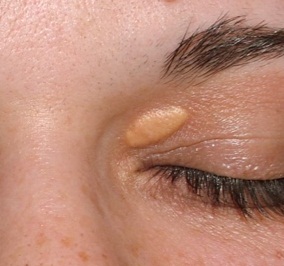
Mi esposo tiene dos xantelasmas, ¿cuál es la forma más segura de quitarlas? ¡Se ven feas!
Hola Nancy, dependiendo del tamaño y localización de los xantelasmas se puede elegir entre realizar láser de CO2 o también cirugía. Para saber cual elegir deberíamos ver su caso.
Best regards
Hola, Me tengo que quemar un lunar, ¿Duele?, ¿Es necesario hacer reposo?
Hola Mara, para estar seguro de que responderte es necesario ver el tamaño de lugar y la localización del mismo. Generalmente es un procedimiento que no duele y no se necesita realizar reposo.
Good afternoon, doctor. I have a 3cm by 6cm birthmark on my leg. A dermatologist told me it's benign but that it would be best to remove it. Can you advise on the best way to remove it?
Muchas gracias!
Dear Karyna,
If it's a benign birthmark and without any criteria for malignancy, I would not recommend removing it. risk of developing melanoma Regarding a congenital mole of the size you mentioned, it's the same as any other mole on the body. Therefore, only regular check-ups are recommended.
Best regards